Neighbours AI micro-drama recut worries actors and crew
Former actors and crew members from the Australian TV show Neighbours are worried about plans to use artificial intelligence (AI) to turn old episodes into short videos for mobile phones.
Fremantle, the company behind the show, is working with US company RoseBerry Media on the project. Their AI tool will scan decades of old episodes and help editors find important scenes, storylines and character moments.
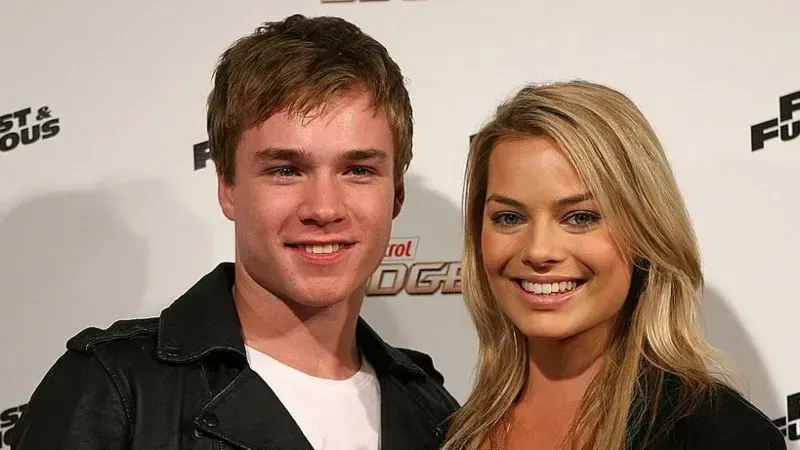
The first videos are expected to focus on Margot Robbie, who played Donna Freedman from 2008 to 2011. The show ended last year after many years on television.
The companies say the project will help introduce Neighbours to a new generation of viewers. However, some people who worked on the show say they were never asked whether their faces, voices or work could be used this way.
Robbie has not made a public comment. The BBC has contacted her representatives for a response.
Fremantle says the new videos will use scenes, dialogue and performances that have already been shown on television. A company spokesperson said the AI would not create new scenes, change actors' faces or make fake voices. Human editors will check and approve every stage of the process.
But some former cast members remain concerned.
Matt Werkmeister, 34, played Zeke Kinski after joining Neighbours in 2005, when he was 13. He appeared in many scenes with Robbie. He now works as a producer and director in Melbourne.
Werkmeister said nobody had contacted him about the project. He believes actors, writers and other workers should be asked before their work is reused in a new way.
He said Robbie would naturally attract viewers and that many people enjoy watching clips from old favourite shows. But when he signed his contract about 20 years ago, online streaming was not yet a normal way to watch television. He is unsure what rights he still has over his old performances.
Sam Clark, who played Ringo Brown from 2006 to 2010, shares similar concerns. In the show, his character later married Robbie's character.
Clark, now a producer and voice actor living in Los Angeles, said he first heard about the plan when a friend sent him a news report.
He does not object to old episodes being shown again, as long as they are not changed to create new storylines. Like Werkmeister, he is unsure how contracts signed many years ago apply to modern AI and social media.
Long-time sound recordist Bruce Findlay also criticised the plan. He worked on Neighbours from its very first episode and has spent almost 50 years in television.
Findlay compared the project to cutting up a painting by Pablo Picasso and putting the pieces back together. He said the team had worked hard to create the show and that breaking it into tiny pieces and rebuilding it with AI could make their work seem less valuable.
Guy Hameiri, the head of RoseBerry Media, said this was the first time his company would use its own AI tool to search through Neighbours footage. The show has more than 9,300 episodes.
He said the aim was to create high-quality vertical videos for phone screens, giving old material new audiences and fresh value.
Jens Richter, who leads Fremantle's commercial and international business, described the project as an exciting way to use technology to find new value in the company's existing shows.
Fremantle is also understood to be talking with two industry unions about the project. Actors and writers are expected to receive repeat-use payments, known as residuals, when their work is shown again. These payments will not cover crew members.
The Media, Entertainment and Arts Alliance, one of the unions involved in the talks, said workers should be consulted before their faces or skills are used in ways they could not have expected when they signed contracts many years ago.
The debate raises questions about how older entertainment contracts should apply as AI creates new ways to reuse television shows and films.